Dr. Zen Strengthens Journal Re-accreditation Readiness Through Intensive Training and Mentoring at Universitas Bina Insan
14 Oktober 2026 22x
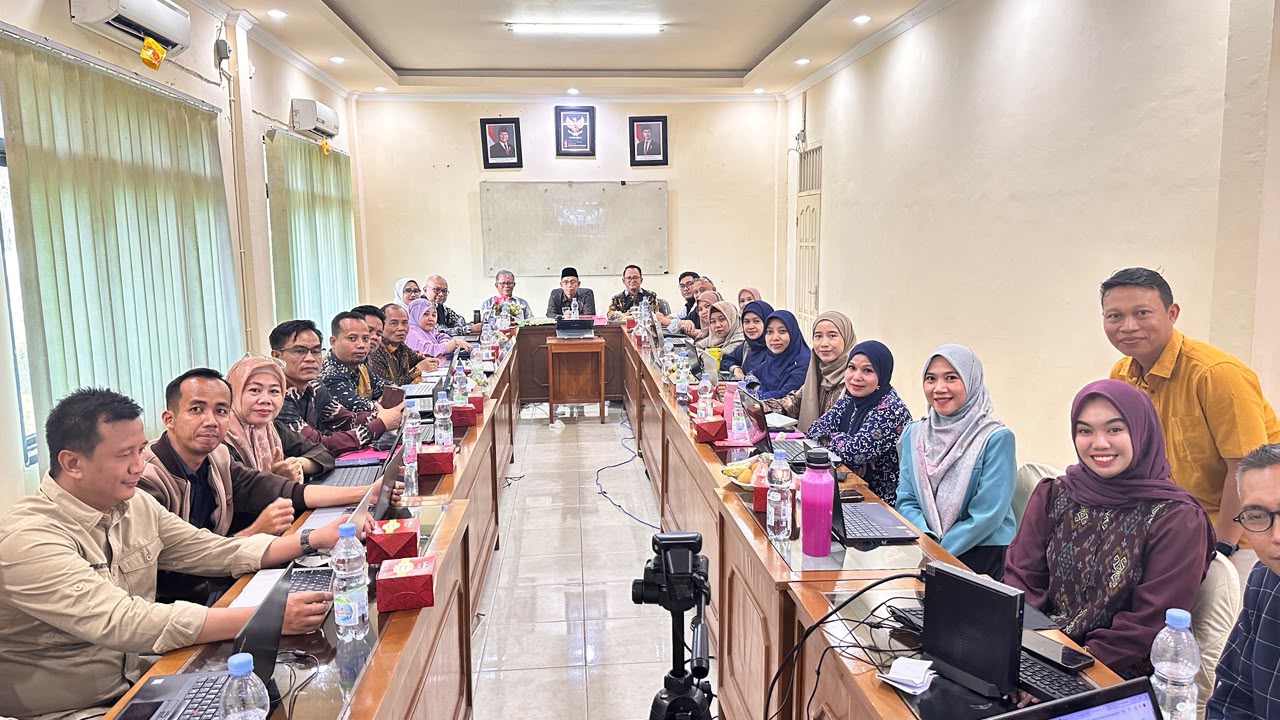
Lubuklinggau, Indonesia – September 24, 2026 – Dr. Ahmad Maulidizen, professionally known as Dr. Zen and serving as Director of Mabadi Iqtishad Al Islami, participated as a trainer and mentor in a four-day Training and Mentoring for Journal Re-accreditation program held at Universitas Bina Insan, Lubuklinggau, from September 21 to 24, 2026.
Under the theme “From Gap to Action: Strengthening Journal Readiness for Re-accreditation,” the program brought together journal managers, editorial teams, and members of the academic community to strengthen institutional readiness for scientific journal accreditation. The initiative emphasized practical learning, journal performance evaluation, and the development of systematic improvement strategies to support sustainable scholarly publishing.
Working alongside Imam Yuwono, S.IP., MM, and Ibnu Haris Nasution, SE., MM, Dr. Zen contributed to a series of training sessions, interactive discussions, journal readiness assessments, and strategic mentoring activities designed to bridge the gap between accreditation requirements and actual editorial practices.
Strengthening Understanding of Journal Accreditation Requirements
The program provided participants with an opportunity to examine the evolving landscape of scientific journal accreditation in Indonesia and its implications for editorial management and institutional quality assurance.
Discussions highlighted the importance of understanding accreditation criteria as an integrated framework for improving scholarly publication standards rather than merely fulfilling administrative requirements.
Participants explored how accreditation expectations relate to editorial governance, publication consistency, scholarly integrity, and the overall effectiveness of journal management systems.
Through collaborative discussions and knowledge sharing, the training encouraged journal editorial teams to critically evaluate their existing practices and identify areas where institutional and editorial improvements were necessary.
Journal Readiness Audit: Evaluating Management and Substantive Quality
A central component of the four-day program was the assessment of journal accreditation readiness, with particular attention to management performance and substantive quality.
Under the guidance of Dr. Zen and fellow mentors, participants examined essential aspects of journal management, including editorial workflows, publication procedures, documentation practices, and the consistency of editorial policies.
The assessment also emphasized the substantive dimensions of scholarly publishing, particularly the importance of academic contributions, research relevance, publication quality, and the integrity of editorial decision-making.
By examining these interconnected dimensions, participants were encouraged to develop a comprehensive understanding of their journals' current conditions and the challenges that could affect accreditation performance.
The mentoring process adopted a diagnostic and improvement-oriented approach, positioning journal audits as instruments for organizational learning and continuous quality development.
Rather than focusing exclusively on deficiencies, the sessions encouraged participants to recognize existing institutional strengths while identifying priority areas requiring systematic intervention.
From Gap to Action: Translating Accreditation Findings into Strategic Improvements
Building on the journal readiness assessments, the mentoring activities progressed toward developing strategies for journal ranking improvement and accreditation preparedness.
Dr. Zen emphasized that understanding accreditation standards and identifying performance gaps represent only the initial stages of meaningful institutional development.
“Identifying gaps is only the beginning. Real improvement begins when gaps are transformed into action.”
This principle served as a central message throughout the program, reinforcing the importance of converting evaluation findings into measurable objectives, practical improvement initiatives, and sustainable editorial management practices.
Participants were encouraged to consider strategic approaches to addressing weaknesses in journal governance, strengthening substantive publication quality, improving editorial consistency, and preparing structured plans for future accreditation assessments.
The mentoring process also highlighted the importance of institutional coordination, clear responsibilities, realistic implementation priorities, and periodic evaluation in ensuring that improvement initiatives produce lasting results.
By connecting accreditation criteria with practical editorial challenges, the program sought to support journal managers in developing actionable strategies appropriate to their institutional contexts.
Fostering Collaboration and Institutional Commitment
Beyond its technical and regulatory dimensions, the four-day program provided a collaborative forum for academic exchange and professional development.
The participation of journal editors, academic staff, and institutional stakeholders created opportunities to share experiences, discuss operational challenges, and explore practical approaches to strengthening journal management.
Dr. Zen expressed his appreciation to the leadership and academic community of Universitas Bina Insan, Lubuklinggau, for their hospitality, active engagement, and valuable collaboration throughout the program.
The initiative highlighted the importance of cooperation between academic institutions and experienced journal management practitioners in strengthening editorial capacity and promoting continuous improvements in scholarly publication quality.
Such collaborative engagement is particularly important in ensuring that accreditation readiness becomes a shared institutional responsibility rather than an isolated task undertaken by individual journal editors.
Advancing Sustainable Scholarly Publishing and Academic Excellence
As Director of Mabadi Iqtishad Al Islami, Dr. Zen continues to contribute to academic capacity-building initiatives through training, mentoring, and knowledge sharing in journal management and scholarly publishing.
His involvement in the program at Universitas Bina Insan reflects a commitment to promoting evidence-based journal evaluation, professional editorial governance, and sustainable publication development.
The initiative also reinforced a broader understanding of academic journals as essential components of the research ecosystem. Beyond serving as publication outlets, scholarly journals contribute to knowledge dissemination, research visibility, academic integrity, and the development of scientific communities.
Strengthening journal quality therefore requires a long-term perspective that integrates regulatory compliance with editorial professionalism, ethical publication practices, substantive academic contributions, and continuous institutional support.
Through structured mentoring and collaborative learning, the program encouraged participants to view accreditation as an opportunity for institutional reflection and systematic improvement.
The four-day training and mentoring initiative at Universitas Bina Insan underscored the importance of moving from regulatory understanding to operational readiness, from journal assessment to strategic implementation, and from accreditation objectives to sustainable scholarly quality.
From rules to readiness. From gaps to action. From accreditation to sustainable quality.
This guiding perspective reflects Dr. Zen's ongoing contribution to strengthening journal management capacity and supporting academic institutions in developing credible, ethical, and sustainable scholarly publishing practices.