Dr. Zen Leads Journal Re-accreditation Training and Mentoring at Politeknik Penerbangan Surabaya
14 Oktober 2026 16x
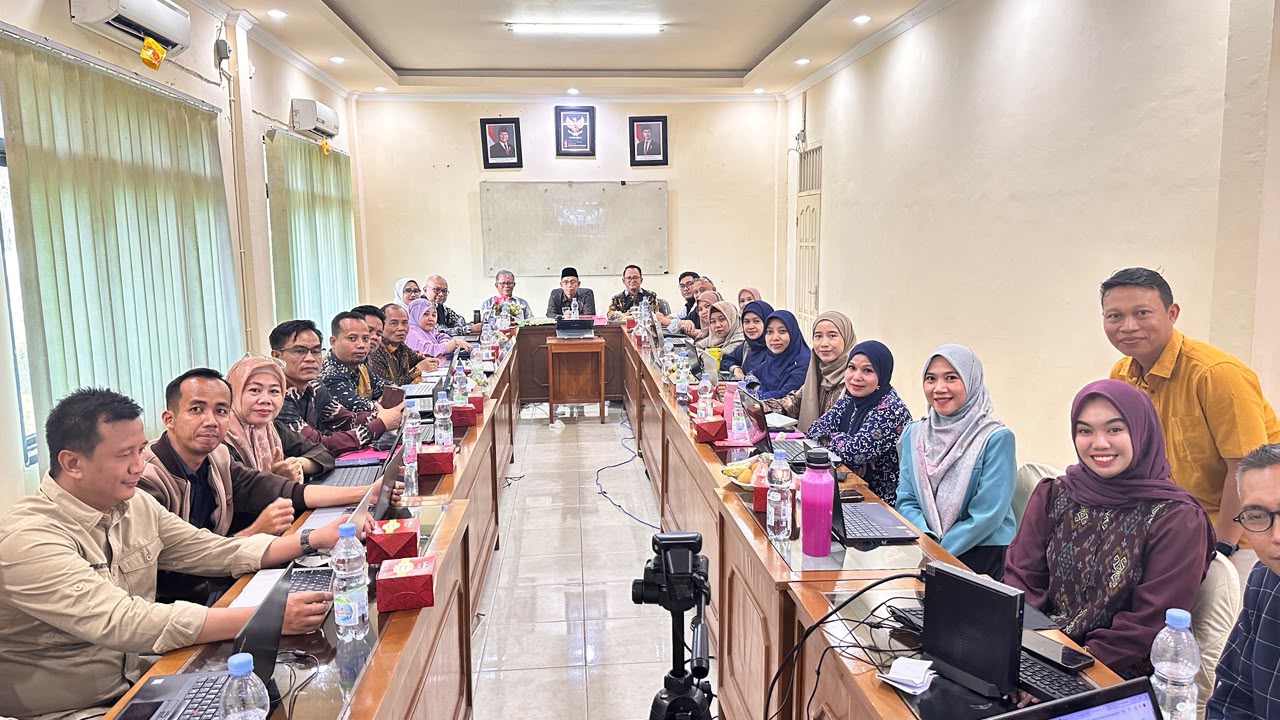
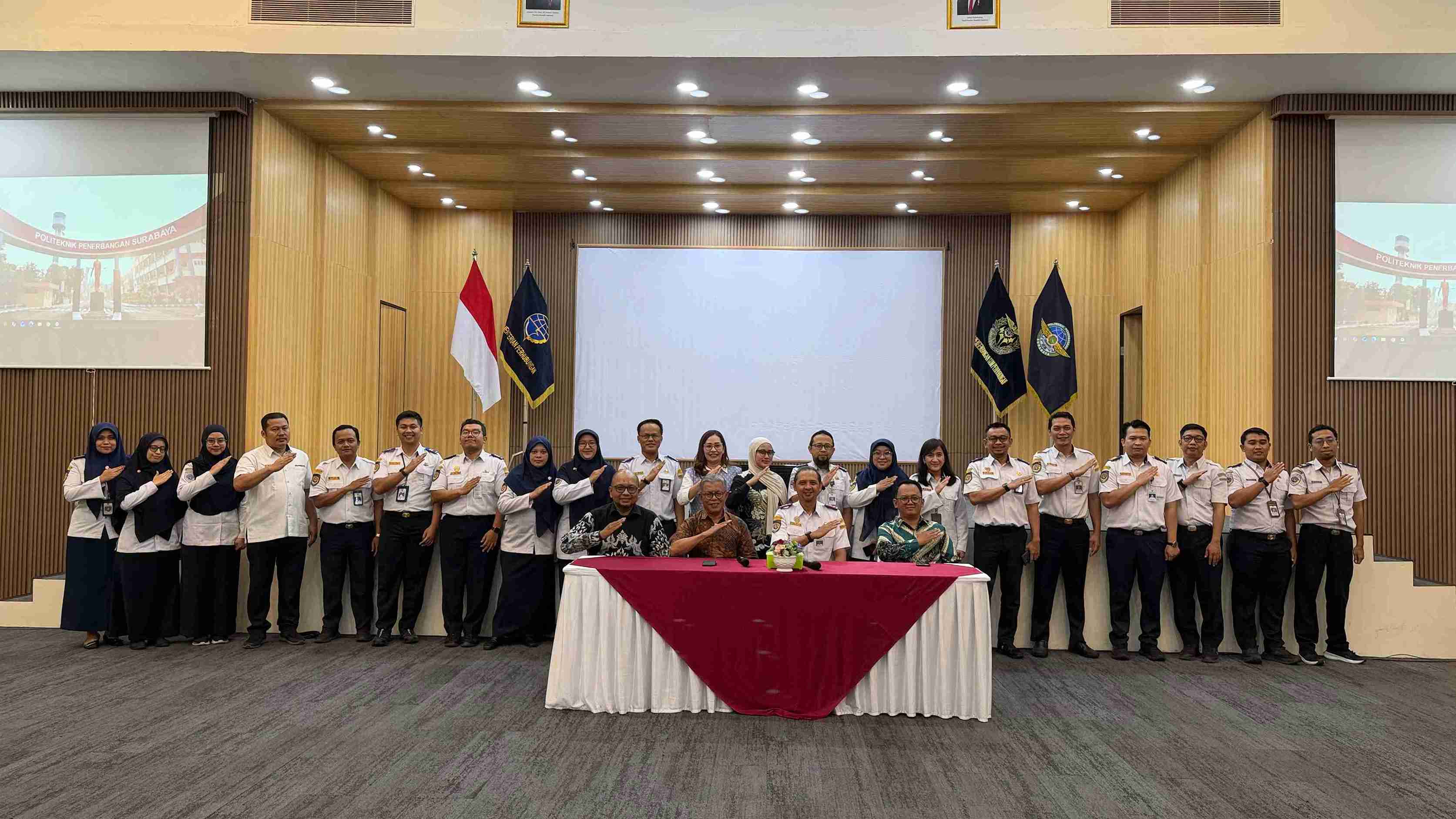
Surabaya, Indonesia – September 16, 2026 – Dr. Ahmad Maulidizen, professionally known as Dr. Zen, Director of Mabadi Iqtishad Al Islami, led the Training and Mentoring for Journal Re-accreditation program held at Politeknik Penerbangan Surabaya from September 14 to 16, 2026. The three-day initiative brought together journal editors, academic staff, and institutional stakeholders to strengthen journal management capacity, enhance accreditation readiness, and promote sustainable quality improvement in scholarly publishing.
Under the theme “From Gap to Action: Strengthening Journal Readiness for Re-accreditation,” the program provided an intensive platform for examining Indonesia's evolving scientific journal accreditation framework and translating accreditation requirements into practical editorial and institutional improvement strategies. Rather than focusing solely on administrative compliance, the training emphasized the importance of strengthening editorial governance, scholarly quality, and long-term institutional commitment to academic publishing excellence.
The program was officially opened by Ahmad Bahrawi, S.E., M.T., Director of Politeknik Penerbangan Surabaya. His participation reflected the institution's commitment to strengthening research governance, academic publication management, and continuous quality improvement.
Understanding the New Scientific Journal Accreditation Framework
The program commenced with a session entitled “Understanding the New Rules,” delivered by Imam Yuwono, S.IP., MM. The session explored recent policy developments and changes associated with the 2026 Scientific Journal Accreditation framework.
Participants were introduced to key considerations in responding to evolving accreditation requirements, particularly the importance of regulatory awareness, institutional preparedness, and consistent implementation of editorial management standards.
The discussion established a foundation for subsequent mentoring activities by encouraging participants to understand accreditation not merely as a periodic evaluation process, but as part of a broader commitment to scholarly publishing quality.
Journal Readiness Audit: Identifying Gaps and Strengthening Editorial Governance
The second phase featured the “Journal Readiness Audit,” facilitated by Ibnu Haris Nasution, SE., MM, alongside Dr. Zen.
This session focused on assessing two fundamental dimensions of journal accreditation readiness: journal management and substantive quality. Through structured assessments, guided discussions, and practical mentoring, participants examined existing editorial practices, identified areas requiring improvement, and considered strategies to strengthen journal performance.
Particular attention was given to the relationship between editorial governance, publication consistency, scholarly integrity, and institutional quality assurance.
The audit encouraged journal management teams to adopt a critical and evidence-based approach to evaluating their journals. Identifying weaknesses was positioned not as an indication of institutional failure, but as an essential starting point for developing targeted and sustainable improvement strategies.
From Gap to Action: Developing Strategic Roadmaps for Journal Improvement
The final phase, “From Gap to Action,” concentrated on translating assessment findings into strategic priorities and actionable roadmaps for journal accreditation improvement.
During the mentoring process, Dr. Zen emphasized that accreditation readiness requires more than understanding regulations or identifying editorial weaknesses. It demands a systematic commitment to implementing measurable improvements, strengthening institutional coordination, and maintaining continuous quality assurance.
Participants were encouraged to formulate improvement priorities based on their respective journal conditions, establish realistic implementation strategies, and consider mechanisms for monitoring progress over time.
The session also addressed strategic approaches to improving journal accreditation rankings while maintaining the fundamental principles of scholarly integrity, editorial independence, and publication quality.
A central message emerged throughout the discussion: identifying gaps is only the beginning. Meaningful progress occurs when assessment findings are translated into concrete actions supported by clear responsibilities, measurable objectives, and sustained institutional commitment.
This approach reinforced the importance of viewing journal accreditation as part of a continuous quality improvement process rather than an isolated administrative achievement.
Institutional Engagement and Academic Collaboration
The three-day program benefited from the active participation and contributions of the academic community and institutional leadership of Politeknik Penerbangan Surabaya.
Interactive discussions and mentoring activities provided opportunities for participants to exchange practical experiences, examine challenges in journal management, and explore solutions relevant to their editorial and institutional contexts.
The program concluded with a closing session led by Dr. Parjan, S.SiT., M.T., Head of the Academic and Student Administration Division at Politeknik Penerbangan Surabaya.
The engagement between Dr. Zen, fellow resource persons, and the institution's academic community demonstrated the value of collaborative capacity-building initiatives in addressing the increasingly complex demands of scholarly publishing and journal accreditation.
Advancing Sustainable Quality in Scholarly Publishing
As Director of Mabadi Iqtishad Al Islami, Dr. Zen is committed to contributing to the development of academic and research institutions through scholarly publishing capacity building, journal management training, and strategic academic mentoring.
The training and mentoring initiative at Politeknik Penerbangan Surabaya reflects an approach that connects regulatory understanding with practical implementation, enabling journal managers to evaluate their readiness and identify pathways toward sustainable improvement.
Beyond accreditation rankings, the program emphasized the broader academic responsibility of scholarly journals. Journals are not merely platforms for publishing research findings; they are integral components of the research ecosystem, responsible for safeguarding scholarly integrity, disseminating knowledge, supporting academic dialogue, and strengthening the credibility of scientific contributions.
Developing high-quality academic journals therefore requires continuous attention to editorial professionalism, transparent publication practices, research ethics, and institutional support.
Through knowledge sharing, structured assessments, and practical mentoring, the initiative sought to strengthen participants' capacity to manage journals more effectively while fostering a culture of continuous evaluation and academic excellence.
The program also highlighted the importance of aligning accreditation objectives with long-term institutional development, ensuring that efforts to improve journal rankings contribute to meaningful and sustainable advances in scholarly publishing quality.
From Accreditation Compliance to Sustainable Academic Excellence
The successful completion of the three-day training and mentoring program marked another contribution by Dr. Zen to academic capacity development and the strengthening of scholarly publication management.
By integrating regulatory understanding, journal readiness assessments, and strategic improvement planning, the initiative offered participants a structured approach to addressing accreditation challenges and strengthening editorial performance.
Ultimately, the program reinforced a fundamental perspective: the true value of journal accreditation lies not merely in achieving a particular ranking, but in establishing a credible, ethical, and sustainable scholarly publishing system.
From rules to readiness. From gaps to action. From accreditation to sustainable quality.
This guiding principle reflects Dr. Zen's commitment to advancing scholarly publishing practices and supporting academic institutions in their pursuit of continuous improvement, research integrity, and long-term academic excellence.